How to Choose a Cannabis-Friendly Sober Living Home (420-Friendly Guide)

Finishing rehab is a big milestone, but the weeks and months after treatment are when recovery gets tested in real life. For many people, a sober living home is the bridge between structured treatment and full independence. If you use medical cannabis, finding that bridge can be harder than it should be. Most recovery residences still ban cannabis outright, and many people don't know that cannabis-friendly sober living (sometimes called 420-friendly sober living) exists at all.
You are far from alone. According to the 2023 National Survey on Drug Use and Health from SAMHSA, about 48.5 million Americans aged 12 and older had a substance use disorder in the past year. Recovery doesn't look the same for each of them, and housing shouldn't have to either.
This guide explains what a weed-friendly sober living home is, who it may be right for, the house rules and support to look for, the questions to ask before you move in, and the red flags that should make you keep looking.
Key Takeaways
A cannabis-friendly sober living home is a recovery residence that permits cannabis use, usually medical cannabis only, while prohibiting alcohol and other drugs.
Most people who look for 420-friendly sober living are following a "Cali sober" or harm reduction approach, or use cannabis to manage a medical condition.
Good homes still have structure: clear house rules, drug and alcohol testing, house meetings, curfews, and expectations around work or school.
Always get the home's cannabis policy in writing before you sign anything, and be honest with your care team about your cannabis use.
On Green Rehabs, every listing shows a cannabis policy badge, so you can see where a program stands before you call.
What Is a Cannabis-Friendly Sober Living Home?
A sober living home, also called a recovery residence, is shared housing for people in recovery from substance use. Residents typically pay rent, follow house rules, and support each other while they rebuild routines, return to work or school, and stay connected to treatment. Some people move in after finishing residential treatment, while many others live in sober living while attending a partial hospitalization program (PHP), intensive outpatient program (IOP), or standard outpatient (OP) care. Pairing a structured day program with a stable, supportive home gives you a safe place to practice what you learn in treatment. If you're still mapping out your path, our guide to levels of care from detox to outpatient explains where sober living fits.
A cannabis-friendly sober living home follows the same model, with one key difference: it permits cannabis use under defined conditions. Most homes that allow cannabis limit it to residents with a valid medical cannabis recommendation or card, and many set rules about where, when, and how cannabis can be used. Alcohol, opioids, stimulants, and other non-prescribed drugs are still prohibited.
You'll see these homes described a few different ways online, including weed-friendly sober living, marijuana-friendly sober living, medical marijuana sober living, and 420-friendly sober living. The labels vary, but the question you need answered is always the same: what exactly does this home allow, and what does it expect from you?
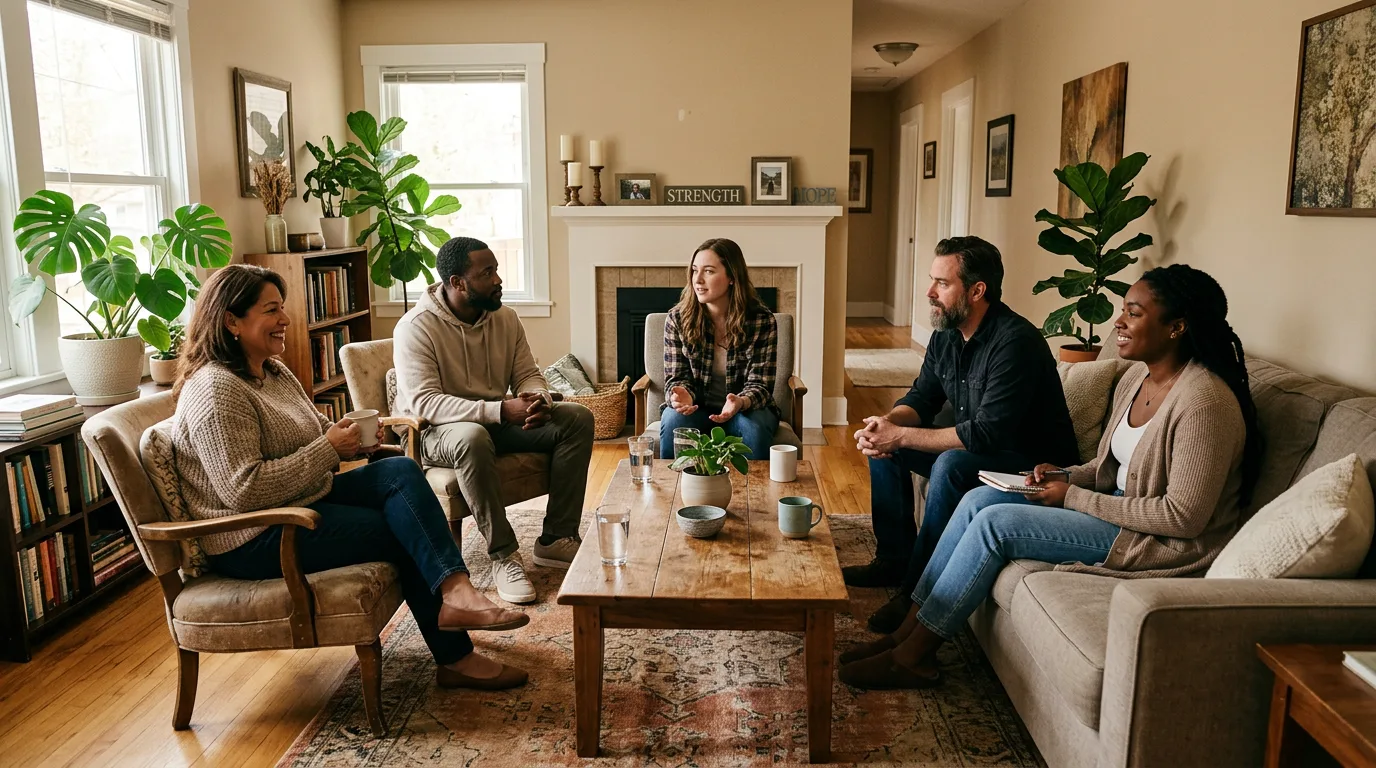
Strong peer support and regular house meetings matter just as much in a cannabis-friendly home as in a traditional one.
Is Cannabis Use in Recovery Considered Harm Reduction?
For some people, committing to lifelong abstinence from every substance feels out of reach, especially right after treatment. The "Cali sober" approach describes people who stop using alcohol and other drugs but continue to use cannabis. Many describe it as a way to manage stress, sleep, or pain without returning to the substance that caused them the most harm.
Harm reduction is a recognized public health approach that focuses on reducing the negative consequences of substance use, meeting people where they are rather than requiring abstinence as the only acceptable outcome. SAMHSA describes harm reduction as an evidence-based approach that is a key part of the continuum of care.
That said, cannabis isn't risk-free. The National Institute on Drug Abuse notes that some people who use cannabis develop cannabis use disorder, and the risk rises with frequent use and high-potency products. A cannabis-friendly approach works best when it's an honest, considered decision made with your clinical team, not a way to avoid talking about your use. For a deeper look at how programs handle this, read how cannabis-friendly addiction treatment works.
Who Might Choose a 420-Friendly Sober Living Home?
A cannabis-friendly residence may be a good fit if you:
Use medical cannabis for a diagnosed condition, such as chronic pain, nausea, or another symptom your provider has recommended it for.
Are in recovery from alcohol, opioids, or stimulants and cannabis was never your primary problem substance.
Follow a harm reduction or Cali sober plan that you've discussed openly with your therapist, doctor, or treatment team.
Were turned away from traditional sober living because of a medical cannabis card and still want structure, accountability, and community.
It may not be the right choice if cannabis was your primary substance, if your use has been increasing, or if your clinicians have advised that cannabis is interfering with your mental health or recovery goals. In those cases, a traditional recovery program may serve you better. The right answer is the one that keeps you moving forward.
What Conditions Do People Use Medical Cannabis For?
If you plan to use cannabis in recovery, using legal, regulated medical cannabis is generally safer than buying from unregulated sources, where products may be mislabeled and where you may be exposed to other drugs. According to MedlinePlus from the National Library of Medicine, medical cannabis may be recommended for conditions and symptoms such as:
Chronic pain
Nausea and vomiting from cancer treatment
Poor appetite and weight loss linked to illnesses like HIV/AIDS or cancer
Muscle spasms from multiple sclerosis
Crohn's disease and inflammatory bowel disease
Seizure disorders such as epilepsy
Glaucoma
The research on cannabis varies widely by condition. The National Center for Complementary and Integrative Health keeps an up-to-date summary of what the evidence does and doesn't show. Many people in recovery also live with anxiety or other co-occurring conditions; our article on anxiety and substance use disorders covers why treating both matters. You can also browse treatment by condition.
How to Choose a Cannabis-Friendly Sober Living Home
Allowing cannabis is only one part of what makes a home a good fit. The best weed-friendly sober living homes combine a clear cannabis policy with the same structure and accountability you'd expect from any quality recovery residence. Here's what to look for.
1. A Clear, Written Cannabis Policy
"We're cannabis-friendly" can mean very different things. Before you move in, ask for the policy in writing and make sure it answers:
Is cannabis allowed for medical use only, or for any adult resident?
Do you need a medical cannabis card or provider recommendation, and will the home keep a copy on file?
Where can cannabis be used and stored? (Many homes ban smoking indoors and require locked storage.)
Are some forms allowed but not others, such as edibles or tinctures versus smoking?
How does the policy affect drug testing, and what happens if results show other substances?
Most homes that allow cannabis restrict it to medical use. That helps keep the focus on recovery and protects residents who are uncomfortable being around recreational use. Our guide to understanding medical cannabis policies at treatment centers walks through the most common policy types.
2. Reasonable, Consistent House Rules
Structure is what makes sober living work. Look for a home with rules that are reasonable, written down, and applied to everyone equally. Common rules include:
Completing assigned chores and keeping shared spaces clean
Paying rent and fees on time
Attending regular house meetings
Going to a set number of recovery or support meetings each week
Working, volunteering, job searching, or attending school
Following a nightly curfew, especially during your first few weeks
Limits on overnight guests
A zero-tolerance policy for alcohol and non-prescribed drugs
3. The Right Level of Support
Recovery residences range from peer-run homes with minimal staff to supervised homes with on-site managers and clinical services. The National Alliance for Recovery Residences (NARR) describes four support levels, from Level I (peer-run) to Level IV (clinical, often attached to a treatment provider). Think about how much structure you need right now and choose accordingly.
For cannabis users specifically, ask whether the home offers or connects residents to support groups that welcome a harm reduction approach. Feeling judged at every meeting can wear you down. It also helps to look for practical support such as:
Job search or vocational help
Help applying for benefits like SNAP or Medicaid
Connections to outpatient therapy, IOP, or medication-assisted treatment
Life skills like budgeting, cooking, and time management
4. A Clean, Safe Environment
Your living space affects your recovery. Visit in person or by video if you can. The home should be clean, well maintained, and not overcrowded, with working smoke detectors, secure storage, and a clear process for handling conflicts between residents. Disorganization, unsanitary conditions, or signs that rules aren't enforced are reasons to keep looking.
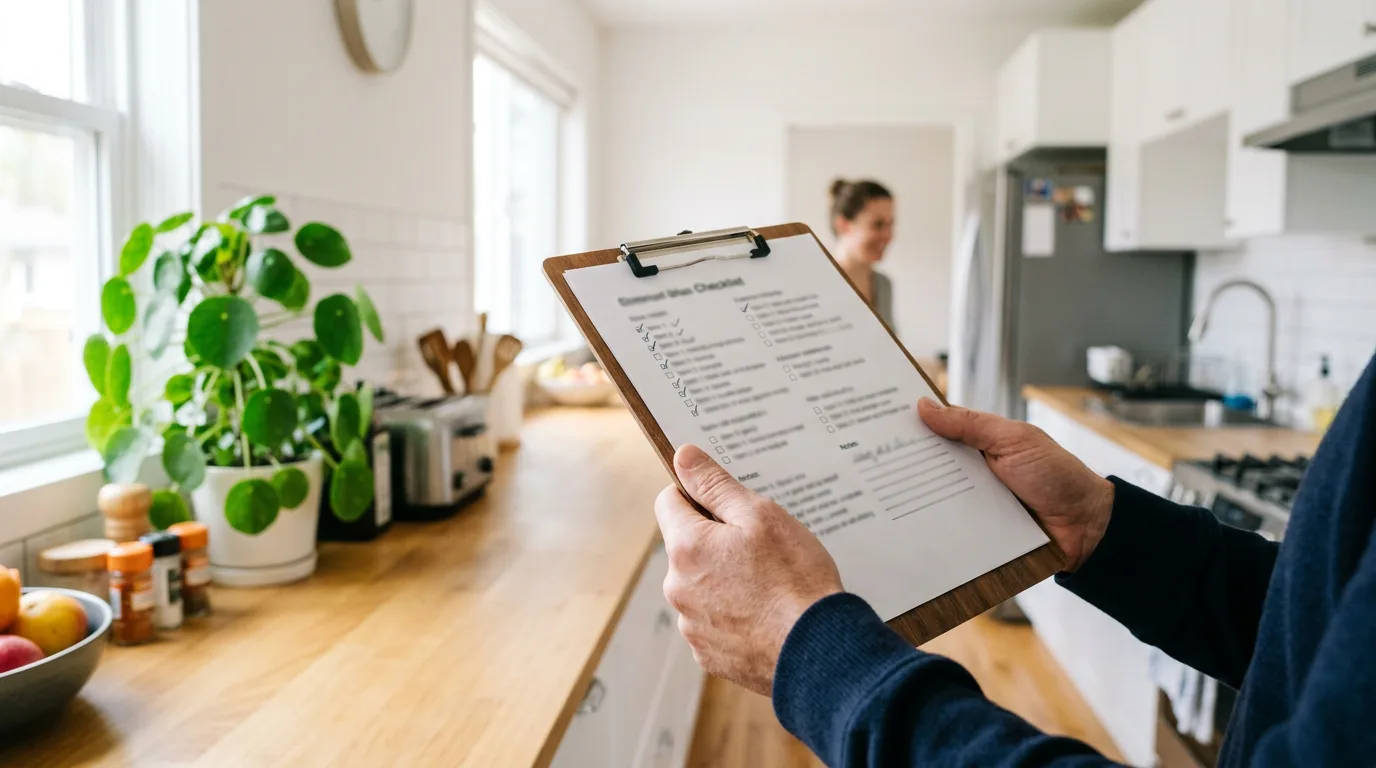
Bring a checklist when you tour a sober living home so you can compare options side by side.
5. Regular Drug and Alcohol Testing
Accountability doesn't disappear just because cannabis is allowed. Quality cannabis-friendly homes still use regular, often random, drug and alcohol testing. Because cannabis will show up on most standard panels, ask how the home reads results for residents with a medical card. Most look for alcohol and other substances while noting cannabis as permitted. Clear testing protects everyone in the house and gives you an extra layer of support when cravings hit.
Questions to Ask Before You Move In
Use this list when you call or tour a weed-friendly sober living home:
What is your cannabis policy?
Do I need a medical cannabis card, and do you verify it?
Where and how can cannabis be used and stored on the property?
How often do you drug test, and how are results handled for medical cannabis patients?
What are the house rules, curfews, and meeting requirements?
What does rent include, and are there move-in or other fees?
Is there a house manager on site? What support services do you offer?
What happens if a resident relapses or breaks a rule?
Red Flags to Watch For
Unfortunately, not every recovery residence is run well. Be cautious if a home:
Has no drug or alcohol testing at all
Is overcrowded, unsafe, or poorly maintained
Allows recreational use of any substance, or doesn't enforce its own rules
Pressures you to sign up or pay before you've had time to ask questions
How to Pay for Cannabis-Friendly Sober Living
Sober living is usually paid for privately, with weekly or monthly rent that varies by location, amenities, and level of support. Health insurance generally doesn't cover rent at a recovery residence, but it often covers the outpatient treatment, IOP, or therapy you attend while you live there. Some states, counties, and nonprofit programs offer grants or vouchers for recovery housing. Our rehab insurance and cost guide explains how coverage works for each level of care.
Find Cannabis-Friendly Sober Living on Green Rehabs
Green Rehabs was built to make cannabis policies clear before you ever pick up the phone. Every listing shows a policy badge so you can quickly tell whether a program is Cannabis-Friendly, offers Structured Recovery with Open Aftercare, follows a Traditional Recovery model, or hasn't shared its policy yet. Learn what each badge means in our cannabis policy guide.
Ready to start your search?
Browse sober living homes and filter by cannabis policy
Read our step-by-step guide on how to find a cannabis-friendly rehab
In California? See our guide to weed-friendly rehabs in California
Frequently Asked Questions
What does 420-friendly sober living mean?
420-friendly sober living is a recovery residence that allows residents to use cannabis, usually only with a medical recommendation, while still prohibiting alcohol and other drugs. Rules about where and how cannabis can be used vary from home to home.
Can you use medical marijuana in a sober living home?
It depends on the home. Many traditional sober living homes ban all cannabis, including medical cannabis. Cannabis-friendly homes allow it, typically for residents with a valid medical card or provider recommendation. Always confirm the policy in writing before moving in.
Is "Cali sober" the same as being sober?
Not in the traditional sense. Being Cali sober usually means avoiding alcohol and other drugs while continuing to use cannabis. Some people see it as harm reduction, while abstinence-based programs don't consider it full sobriety. Talk with your treatment team about what fits your recovery goals.
Do cannabis-friendly sober living homes still drug test?
Quality homes do. They typically test regularly or at random for alcohol and other drugs, while treating cannabis as permitted for residents who meet the house's cannabis policy.
How do I find a weed-friendly sober living near me?
Start by searching a directory that lists cannabis policies up front, like Green Rehabs. Filter for sober living, check each listing's cannabis policy badge, then call to confirm the details and ask the questions in this guide.
Does insurance pay for sober living?
Insurance usually doesn't cover rent at a sober living home, but it may cover the outpatient care, therapy, or medication you receive while living there. Some public and nonprofit programs offer financial help with recovery housing.
If you or someone you love needs help now, you can reach the free, confidential SAMHSA National Helpline 24/7. This article is for informational purposes only and is not medical advice.