Alcohol Addiction Treatment
Alcohol use disorder is one of the most common and most treatable addictions. This guide covers the warning signs, why alcohol withdrawal needs medical care, the levels of treatment available, and how to find an alcohol rehab whose cannabis policy fits your recovery.
Last reviewed September 30, 2026. This guide is for information only and is not medical advice.
Quick answer
Alcohol addiction is usually treated with medically supervised detox followed by residential, PHP, IOP, or outpatient care. Because alcohol withdrawal can cause seizures, heavy daily drinkers should not stop suddenly without medical guidance.
What is alcohol addiction?
Alcohol use disorder (AUD) is a medical condition where a person has trouble controlling or stopping drinking despite health, work, or relationship problems. Clinicians diagnose it as mild, moderate, or severe based on how many symptoms are present.
AUD develops gradually. Over time the brain adapts to alcohol, so a person needs more to feel the same effect and feels unwell when they stop. That physical dependence is why professional treatment matters.
Signs and symptoms of alcohol addiction
- Drinking more, or for longer, than you intended
- Wanting to cut down but being unable to
- Needing more alcohol to feel the same effect (tolerance)
- Shakiness, sweating, anxiety, or trouble sleeping when you stop
- Missing work, school, or family responsibilities because of drinking
- Continuing to drink despite health or relationship problems
- Strong cravings or thinking about drinking often
Alcohol withdrawal and detox
Alcohol withdrawal usually begins 6 to 24 hours after the last drink. Early symptoms include tremors, sweating, nausea, anxiety, and insomnia.
In severe cases, withdrawal can cause seizures or delirium tremens (DTs), which can be life-threatening. For this reason, medical detox is strongly recommended for anyone who drinks heavily every day.
Browse alcohol detox centers to find medically supervised withdrawal near you.
Levels of care for alcohol addiction
Most people move through several levels of care, starting with detox and stepping down to less intensive support as they stabilize.
- Alcohol DetoxMedically supervised withdrawal, often with medication to prevent seizures.710 facilities
- Alcohol ResidentialLive-in treatment with daily therapy after detox.521 facilities
- Alcohol Partial Hospitalization (PHP)Full-day treatment on weekdays while living at home or in sober housing.161 facilities
- Alcohol Intensive Outpatient (IOP)Several therapy sessions a week that fit around work or school.491 facilities
- Alcohol OutpatientWeekly counseling and ongoing support for long-term recovery.748 facilities
Medications
FDA-approved medications for alcohol use disorder include naltrexone, acamprosate, and disulfiram. They can reduce cravings or discourage drinking and are often combined with therapy.
Cannabis policies at alcohol rehabs
Alcohol rehabs differ widely on cannabis. Some allow medical cannabis throughout treatment, some ask for a pause during detox and residential care, and some require full abstinence from all substances.
Detox programs often ask for a cannabis-free period so staff can monitor withdrawal accurately. Policies are more flexible at the outpatient and aftercare stages.
Cannabis is not an approved treatment for alcohol addiction. The right policy is about finding a program you will stay in, so talk honestly with the care team about your use.
Many facilities have not published their cannabis policy yet. Learn what each policy means in our Cannabis Policy Guide, or follow our steps on how to find a cannabis-friendly rehab.
Paying for alcohol addiction treatment
Under federal parity law, most health plans must cover substance use treatment similarly to other medical care. Medicaid, Medicare, and ACA marketplace plans typically include detox, residential, and outpatient services. Our guide on how to pay for rehab with insurance walks through verifying benefits step by step.
Alcohol Addiction treatment centers
1,069 listed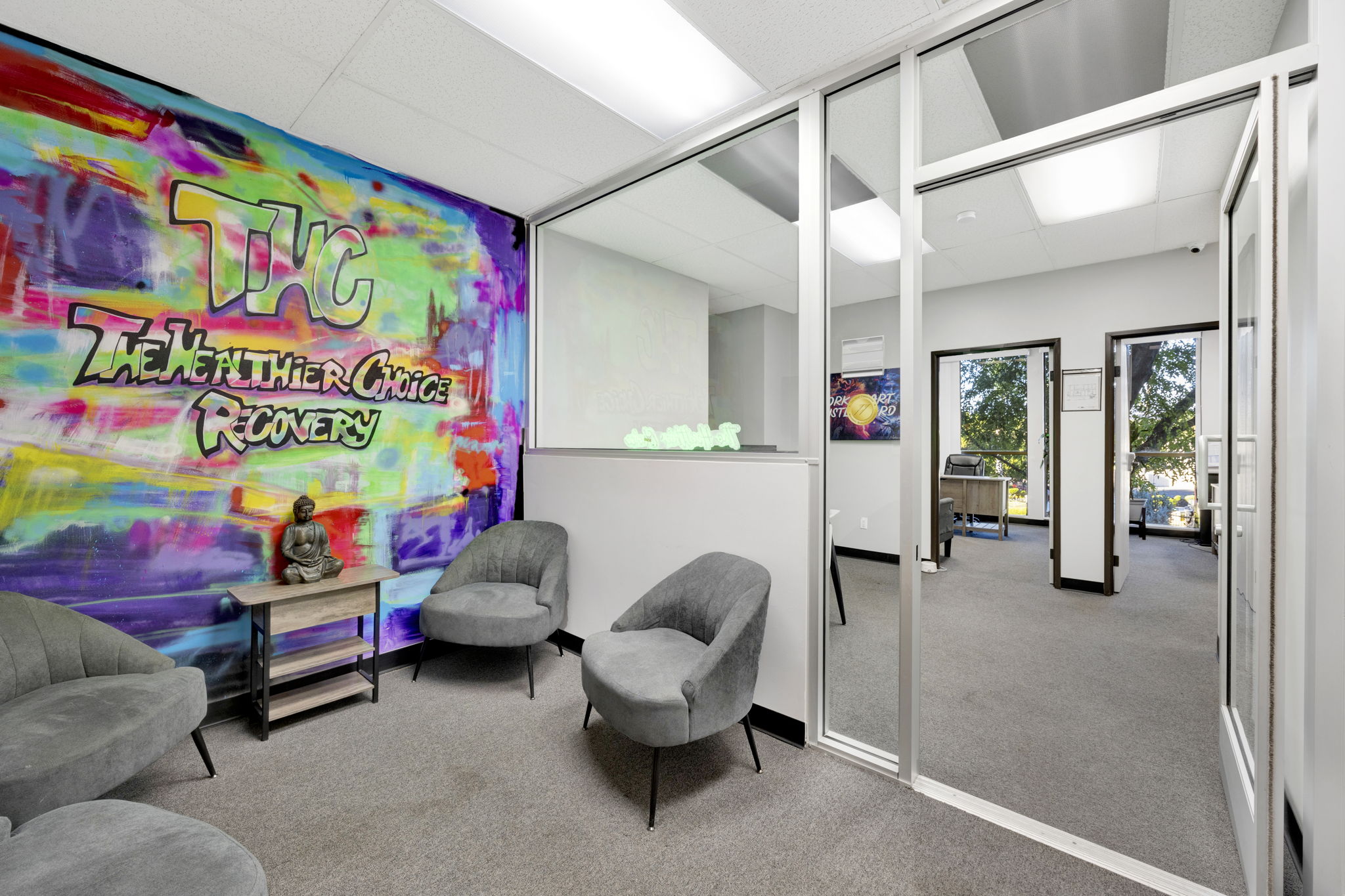
The Healthier Choice Recovery

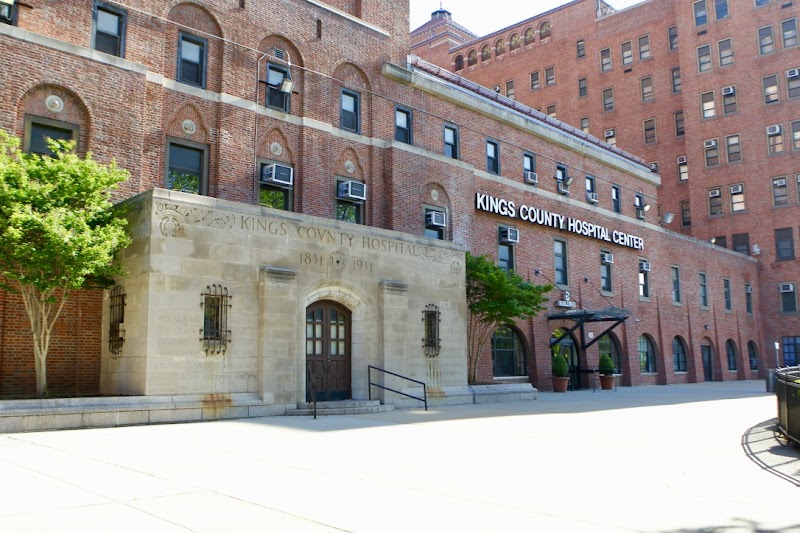
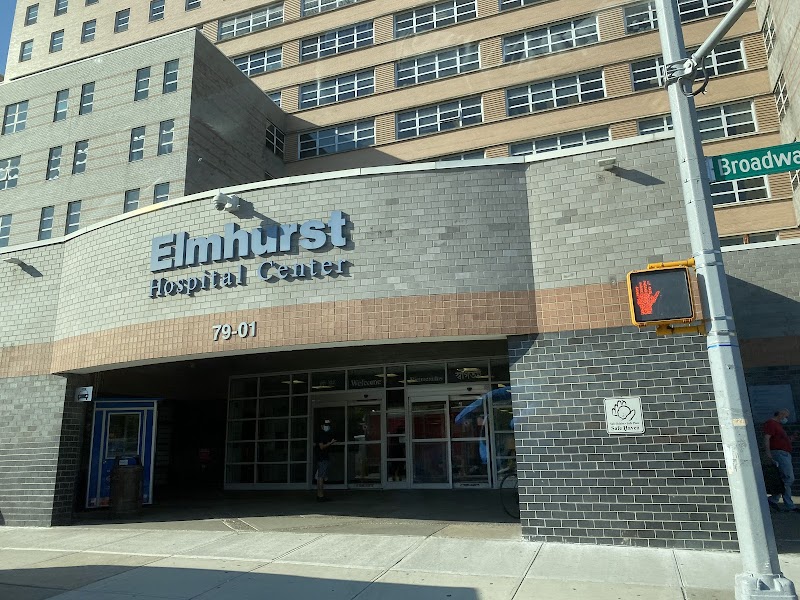
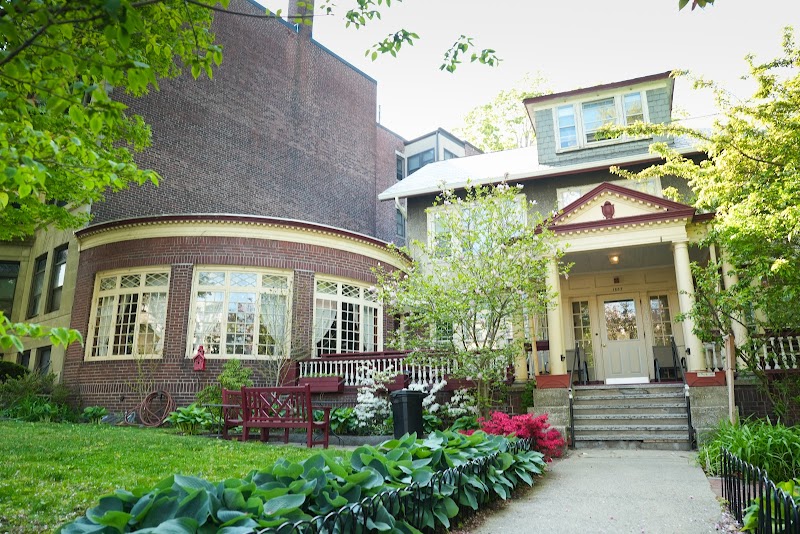
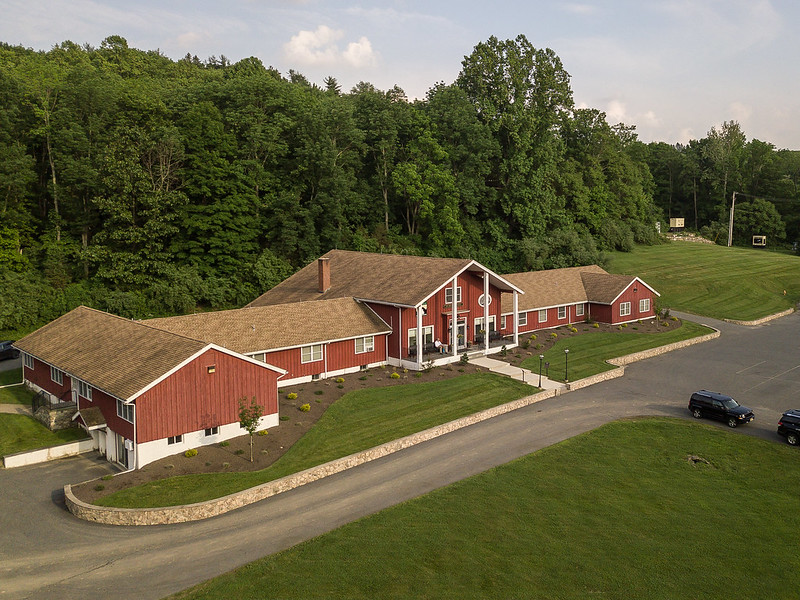
Alcohol rehab by state
- Alcohol rehab in California245 facilities
- Alcohol rehab in New York162 facilities
- Alcohol rehab in Illinois154 facilities
- Alcohol rehab in Ohio142 facilities
- Alcohol rehab in Colorado72 facilities
- Alcohol rehab in Michigan44 facilities
- Alcohol rehab in Maryland35 facilities
- Alcohol rehab in Massachusetts30 facilities
Frequently asked questions
How long does alcohol rehab take?
Detox usually lasts 3 to 7 days. Residential programs often run 28 to 90 days, and outpatient care can continue for several months. The right length depends on how severe the drinking is and your support at home.
Is it dangerous to quit drinking on my own?
It can be. If you drink heavily every day, stopping suddenly can cause seizures or delirium tremens. Talk to a doctor or a detox program before quitting.
Can I find an alcohol rehab that allows cannabis?
Yes. Some alcohol treatment programs are cannabis-friendly or allow cannabis after the structured phase of care. On GreenRehabs you can filter alcohol treatment centers by their published cannabis policy.
Does insurance cover alcohol rehab?
Most health plans, including Medicaid and ACA marketplace plans, cover substance use treatment. Coverage depends on your plan and whether the facility is in-network, so verify benefits before admission.
Sources
Other addiction guides
Need help now?
The SAMHSA National Helpline is free, confidential, and open 24/7. Call 1-800-662-4357 for treatment referrals. If you or someone else is in danger, call 911, or call or text 988 for a mental health crisis.