Cocaine Addiction Treatment
Cocaine addiction, including crack cocaine, is a stimulant use disorder that responds well to behavioral therapy. This guide covers the warning signs, the crash and withdrawal, the levels of care available, and how to find a cocaine rehab with a cannabis policy that works for you.
Last reviewed September 30, 2026. This guide is for information only and is not medical advice.
Quick answer
Cocaine addiction is treated mainly with behavioral therapies such as cognitive behavioral therapy (CBT) and contingency management, delivered in residential, PHP, IOP, or outpatient programs. There are no FDA-approved medications for cocaine addiction yet.
What is cocaine addiction?
Cocaine use disorder is a pattern of cocaine use that causes harm and is hard to control. It includes powder cocaine and smokable crack cocaine, which acts faster and tends to create dependence more quickly.
Cocaine floods the brain with dopamine, creating a short, intense high followed by a crash. Repeated use changes the brain’s reward system, driving strong cravings long after the last use.
Signs and symptoms of cocaine addiction
- Using in binges or needing more to get the same high
- Intense cravings and trouble stopping once you start
- Frequent nosebleeds or nasal problems (from snorting)
- Anxiety, paranoia, or irritability
- Spending money you don’t have on cocaine
- Crashing with exhaustion and low mood after use
- Chest pain, racing heart, or high blood pressure
Cocaine withdrawal and detox
Cocaine withdrawal, often called the crash, can begin within hours. It commonly brings exhaustion, depression, increased appetite, vivid dreams, and strong cravings.
Withdrawal is not usually physically dangerous, but depression can be severe and some people have thoughts of self-harm. Medical and mental health support during the first weeks lowers relapse risk.
Browse cocaine detox centers to find medically supervised withdrawal near you.
Levels of care for cocaine addiction
Because there is no approved medication, cocaine treatment focuses on therapy and structure. Many people with cocaine addiction also use alcohol or have co-occurring mental health conditions, so choose a program that treats both.
- Cocaine DetoxShort-term medical and psychiatric monitoring during the crash.607 facilities
- Cocaine ResidentialLive-in care that removes triggers while you build coping skills.431 facilities
- Cocaine Partial Hospitalization (PHP)Full-day structured therapy while living at home.87 facilities
- Cocaine Intensive Outpatient (IOP)CBT and group therapy several times a week.244 facilities
- Cocaine OutpatientOngoing counseling and relapse prevention.334 facilities
Cannabis policies at cocaine rehabs
Cocaine rehabs vary on cannabis. Some are cannabis-friendly, some pause cannabis during the structured phase, and some require abstinence from all substances.
Programs using contingency management (rewards for negative drug tests) may test for cannabis too. Ask whether a positive cannabis test affects your rewards or standing in the program.
Cannabis is not a treatment for cocaine addiction. Choosing a program with a policy you can follow helps you stay in care, which is what drives recovery.
Many facilities have not published their cannabis policy yet. Learn what each policy means in our Cannabis Policy Guide, or follow our steps on how to find a cannabis-friendly rehab.
Paying for cocaine addiction treatment
Under federal parity law, most health plans must cover substance use treatment similarly to other medical care. Medicaid, Medicare, and ACA marketplace plans typically include detox, residential, and outpatient services. Our guide on how to pay for rehab with insurance walks through verifying benefits step by step.
Cocaine Addiction treatment centers
610 listed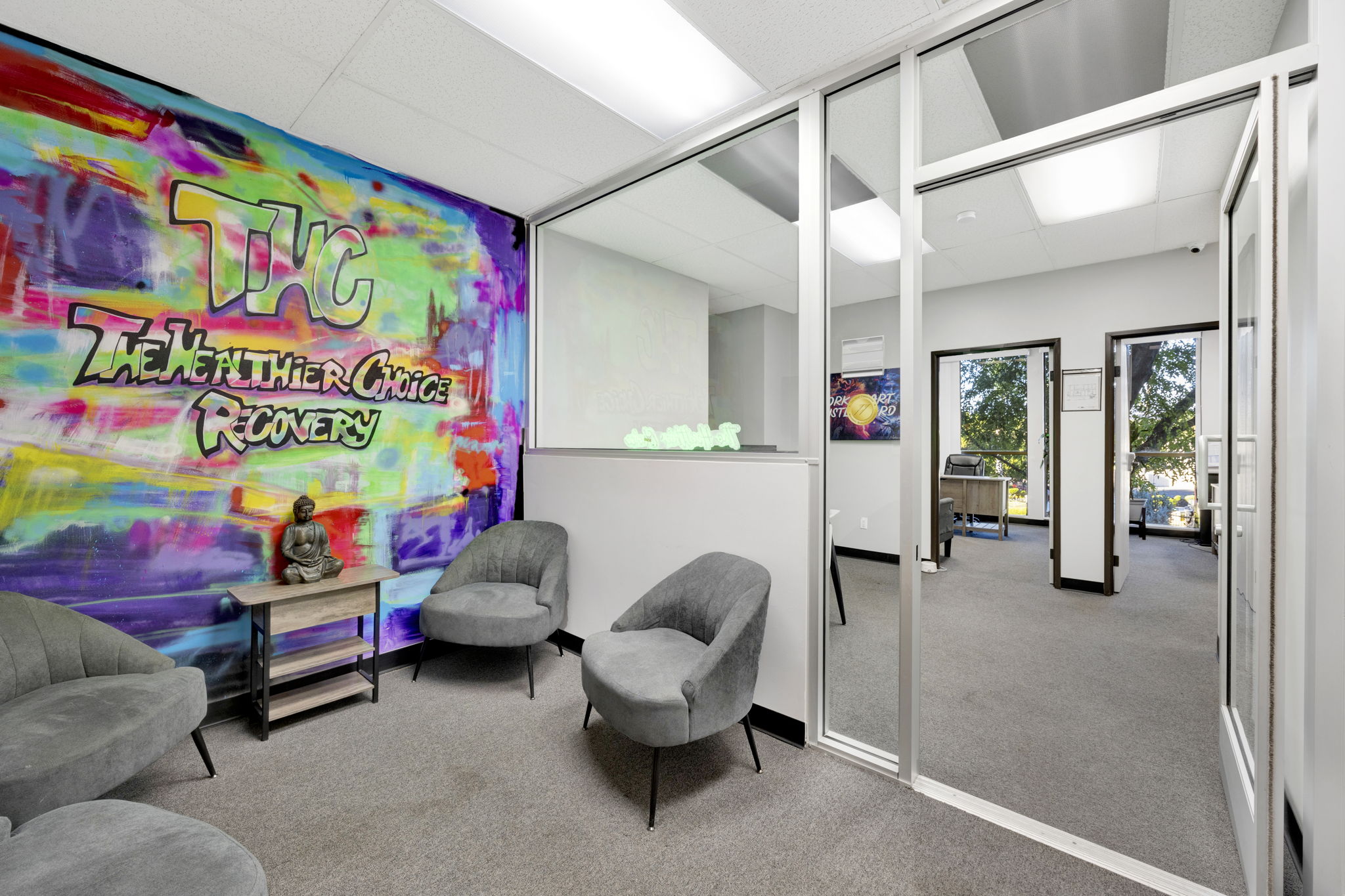
The Healthier Choice Recovery

Cocaine rehab by state
- Cocaine rehab in California227 facilities
- Cocaine rehab in Ohio64 facilities
- Cocaine rehab in Illinois32 facilities
- Cocaine rehab in Maryland31 facilities
- Cocaine rehab in Michigan29 facilities
- Cocaine rehab in New York26 facilities
- Cocaine rehab in Virginia26 facilities
- Cocaine rehab in Massachusetts23 facilities
Frequently asked questions
Is there medication for cocaine addiction?
Not yet. There are no FDA-approved medications for cocaine use disorder. Behavioral therapies such as CBT and contingency management are the most effective treatments.
Do I need detox for cocaine?
Cocaine withdrawal is usually not physically dangerous, but a short detox or monitored stay can help with severe depression, sleep problems, or if you also use alcohol or other drugs.
Can I find a cocaine rehab that allows cannabis?
Yes. Some programs are cannabis-friendly or allow cannabis in aftercare. On GreenRehabs you can filter cocaine treatment centers by their published cannabis policy.
How long does cocaine rehab last?
Residential programs typically last 30 to 90 days, followed by several months of outpatient care. Cravings can persist, so longer-term support improves outcomes.
Sources
Other addiction guides
Need help now?
The SAMHSA National Helpline is free, confidential, and open 24/7. Call 1-800-662-4357 for treatment referrals. If you or someone else is in danger, call 911, or call or text 988 for a mental health crisis.