Weed-Friendly Rehabs: How Cannabis-Friendly Addiction Treatment Works

What Is Cannabis-Friendly Addiction Treatment?
Addiction treatment is changing. Cannabis is now legal for medical use in most U.S. states and for adult recreational use in many of them, which means more people than ever arrive at rehab already using it — often on a doctor's recommendation for chronic pain, anxiety, PTSD, or sleep problems. That raises a question many people are afraid to ask out loud: will my cannabis use keep me from getting help?
Cannabis-friendly addiction treatment describes programs that don't automatically reject someone because they use cannabis. Instead of a blanket zero-tolerance rule, a cannabis-friendly rehab looks at each person individually — why they use cannabis, how much, whether it's medically recommended, and how it fits into their overall recovery plan from alcohol, opioids, stimulants, or other substances.
The idea is simple: meet people where they are. For someone whose life is being wrecked by alcohol or fentanyl, the most important thing is getting them into care. A cannabis friendly rehab removes one of the barriers that keeps people from walking through the door.
What Are Weed-Friendly Rehabs?
Weed-friendly rehabs are simply the everyday name for cannabis-friendly treatment programs. When people search for a "weed-friendly rehab" or a "marijuana-friendly rehab," they're usually asking one thing: can I get treatment for my alcohol, opioid, or stimulant problem without being forced to give up cannabis on day one — or being turned away entirely?
A weed-friendly rehab answers that question with an individual assessment rather than an automatic "no." That doesn't mean anything goes. Most weed-friendly rehabs still have clear rules about which forms of cannabis are allowed, whether a medical recommendation is required, and how use is monitored. What sets them apart is that cannabis is treated as a clinical question, not a disqualifier.
It's also worth knowing what weed-friendly rehabs are not. They aren't a substitute for evidence-based care, they don't treat cannabis as a cure for addiction, and a reputable program will still help you cut back or quit cannabis if that's what your recovery needs. Think of the term as describing a facility's policy, not its treatment philosophy as a whole.
Why Rehab Cannabis Policies Matter More Than Ever
According to SAMHSA's National Survey on Drug Use and Health, cannabis is the most commonly used federally illegal substance in the United States, with tens of millions of Americans reporting past-year use. A large share of people seeking treatment for another substance use disorder also use cannabis, and many of them are registered medical cannabis patients.
Traditional abstinence-only programs often handle this in one of two ways: they refuse admission, or they require the person to stop all cannabis use on day one. For someone whose primary problem is alcohol or opioids — not cannabis — that requirement can feel like an obstacle rather than a treatment decision. Some people delay care for months. Others never go at all.
That's why cannabis policy in rehab isn't a fringe issue. It directly shapes who gets treatment and who doesn't. Understanding a facility's policy before you call can save you time, frustration, and the discouragement of being turned away.
What the Research Says About Cannabis and Recovery
The relationship between cannabis and addiction recovery is complicated, and honest programs acknowledge both the potential benefits and the real risks. Here's a summary of where the evidence currently stands.
Cannabis and Harm Reduction
Researchers have studied whether cannabis may help some people reduce their use of more dangerous substances, especially opioids. In one cross-sectional study published in the Journal of Pain Research, nearly half of the cannabis users surveyed reported using cannabis as a substitute for prescription drugs, with opioid pain medications being the most commonly replaced. Other studies on cannabis substitution have found similar self-reported patterns for alcohol and prescription medications.
These findings don't mean cannabis is a treatment for opioid use disorder — it isn't, and FDA-approved medications like buprenorphine and methadone remain the evidence-based standard. But they do suggest that, for some people, cannabis may play a role in reducing overall harm.
CBD, Anxiety, and Early Recovery
Cannabidiol (CBD) is a non-intoxicating compound found in cannabis. Research supported by the National Institutes of Health has explored CBD's potential to reduce anxiety, and early studies have looked at whether it can reduce cue-induced cravings in people with opioid use disorder. Because anxiety and stress are among the most common relapse triggers, this is an area of growing clinical interest — though more research is needed before firm conclusions can be drawn.
The Risks You Should Know About
Cannabis isn't risk-free. Cannabis use disorder is a recognized diagnosis, and the National Institute on Drug Abuse notes that a meaningful percentage of people who use cannabis develop problematic use, with higher risk for those who start young or use high-potency products daily. For people with a personal or family history of psychosis, schizophrenia, or bipolar disorder, cannabis can worsen symptoms and is often clinically contraindicated.
A responsible cannabis-friendly program will screen for these risks during intake and won't treat cannabis as automatically safe for everyone.
How Cannabis-Friendly Rehabs Typically Handle Cannabis Use
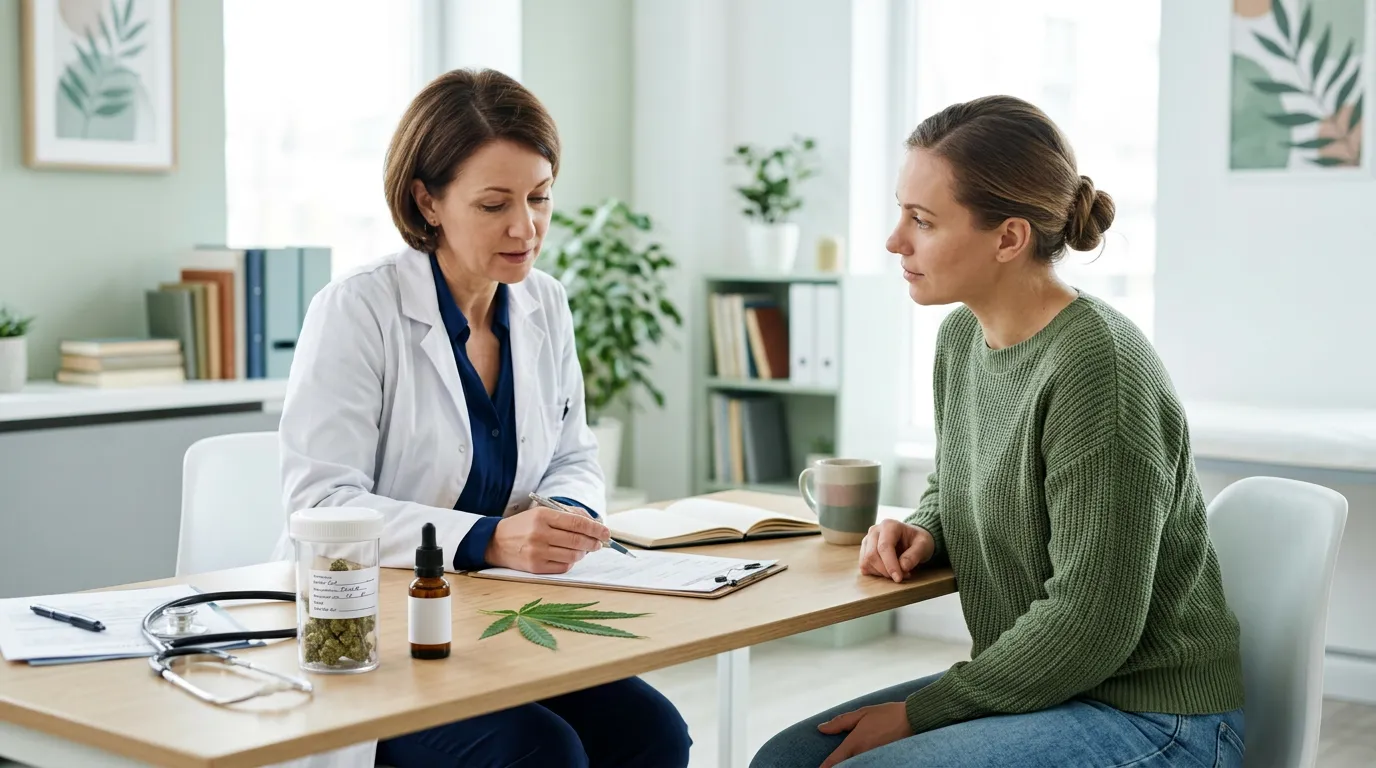
Policies vary widely from one facility to another, but quality cannabis-friendly programs tend to share a few core practices:
- A thorough intake assessment. Medical and psychiatric staff review your substance use history, mental health, and any medical cannabis recommendation — including the condition it treats and your typical dose.
- Shared decision-making. Clinicians work with you (and often your prescribing physician) to decide whether continued cannabis use makes sense during residential treatment, outpatient care, or both.
- A focus on the primary addiction. If your main struggle is alcohol, opioids, benzodiazepines, or methamphetamine, cannabis is evaluated separately rather than used as a reason to deny admission.
- Clear rules on form and setting. Many programs allow only certain forms (such as CBD, tinctures, or edibles rather than smoking) and may store and dispense cannabis like any other medication.
- Ongoing monitoring. Cannabis use is revisited throughout treatment to make sure it's supporting recovery, not undermining it.
Some facilities allow only CBD, some allow medical cannabis with documentation, and a smaller number take a broader harm-reduction stance. Our guide on how to find a cannabis-friendly rehab walks through the questions to ask so you know exactly what a program permits before you commit.
Cannabis-Friendly vs. Abstinence-Based Treatment: Which Is Right for You?
This is one of the most common questions people ask, and the honest answer is that it depends on your situation.
Abstinence-based treatment is still the best fit for many people — especially those with cannabis use disorder, those whose cannabis use is tied to relapse on other substances, and those who want to participate fully in 12-step fellowships. Alcoholics Anonymous and Narcotics Anonymous generally define sobriety as abstinence from all mind-altering substances, including cannabis.
A cannabis-friendly approach may be a better entry point if you:
- Use cannabis medically under a doctor's recommendation
- Are seeking treatment mainly for alcohol, opioid, or stimulant addiction
- Have been turned away from other programs because of cannabis
- Are interested in harm reduction as a step toward broader recovery
- Rely on cannabis to manage chronic pain and want to avoid returning to opioid painkillers
Neither path is "the easy way." Both require honesty, effort, and a willingness to look at how every substance affects your life. The best choice is the one that gets you into treatment and keeps you there.
Cannabis and Co-Occurring Mental Health Conditions
Many people who use medical cannabis do so to manage anxiety, depression, PTSD, insomnia, or chronic pain — conditions that frequently show up alongside substance use disorders. When addiction and a mental health condition occur together, it's called a dual diagnosis or co-occurring disorder.
Research consistently shows that integrated treatment — addressing both conditions at the same time with a coordinated team — leads to better outcomes than treating them separately. If you're using cannabis to cope with a mental health condition, look for a program with psychiatric staff who can evaluate whether cannabis is helping, whether another medication might work better, or whether a combination makes sense. You can learn more about common co-occurring conditions on our conditions page.
Levels of Care and Cannabis Policies
Cannabis rules often change depending on the level of care:
- Medical detox: The strictest setting. Many detox units pause cannabis use while withdrawal from alcohol, opioids, or benzodiazepines is medically managed, though some allow CBD.
- Residential (inpatient) treatment: Policies vary the most here. Some residential programs allow documented medical cannabis in specific forms; others don't allow it on-site at all.
- Partial hospitalization (PHP) and intensive outpatient (IOP): Because you live at home, programs typically focus on whether cannabis is affecting your participation and progress rather than enforcing strict on-site rules.
- Standard outpatient care: Usually the most flexible, with cannabis discussed as part of your ongoing treatment plan.
Does Insurance Cover Cannabis-Friendly Rehab?
In most cases, yes. Insurance coverage for addiction treatment is based on your primary diagnosis — such as alcohol use disorder or opioid use disorder — and medical necessity, not on a facility's cannabis policy. Under the Affordable Care Act and federal parity laws, most plans are required to cover substance use disorder treatment comparably to other medical care.
Coverage details still depend on your plan, deductible, and whether the facility is in-network. Our insurance and cost guide explains how to verify your benefits and what questions to ask before admission.
Frequently Asked Questions
Can I use cannabis during residential rehab?
It depends on the facility. Some cannabis-friendly residential programs allow documented medical cannabis or CBD on a case-by-case basis after an intake assessment; others allow it only at lower levels of care. Always ask for the policy in writing before you admit.
Will using cannabis affect my insurance coverage for treatment?
Generally, no. Insurers base coverage on your primary diagnosis and medical necessity. Your cannabis use may be noted in your records, but it typically doesn't disqualify you from coverage.
Is cannabis-friendly treatment the same as harm reduction?
They're related but not identical. Harm reduction is a broad public-health philosophy focused on reducing the negative consequences of substance use. Cannabis-friendly treatment is one way harm reduction principles can be applied inside a clinical treatment program.
Do I need a medical cannabis card to attend a cannabis-friendly rehab?
Many programs that allow cannabis on-site require a valid medical recommendation or state card, and some only allow specific products. Programs with CBD-only policies usually don't require a card. Check each facility's requirements directly.
What if I want to quit cannabis as part of my recovery?
That's a completely valid goal, and a good program will support it. Cannabis withdrawal can include irritability, sleep problems, vivid dreams, anxiety, and appetite changes. Clinicians can help you taper and build coping skills to manage those symptoms.
Are weed-friendly rehabs legit?
Yes — when they're properly licensed and accredited. A legitimate weed-friendly rehab holds a state license, is often accredited by The Joint Commission or CARF, employs licensed medical and clinical staff, and offers evidence-based therapies such as CBT, DBT, and medication-assisted treatment. Its cannabis policy is just one part of an otherwise standard, professional program. Be cautious of any facility that promotes cannabis as the treatment itself.
Are there weed-friendly rehabs in California?
Yes. California has legalized both medical and adult-use cannabis, and it has one of the largest concentrations of treatment centers in the country, so it's one of the easiest states to find a weed-friendly rehab. See our full guide to weed-friendly rehabs in California or browse California treatment centers directly.
How do I find a cannabis-friendly rehab near me?
Start by browsing cannabis-friendly treatment centers on Green Rehabs. Each listing outlines the facility's cannabis policy, levels of care, and insurance information so you can compare options side by side.
Taking the First Step
Recovery isn't one-size-fits-all. Whether you're managing chronic pain with medical cannabis while struggling with alcohol, trying to get off opioids, or simply tired of being told "no" by every program you call, there are treatment options designed with you in mind.
Green Rehabs exists to make that search easier. Explore our directory of cannabis-friendly rehabs, read our cannabis policy guide, and take the next step toward care that fits your life — because everyone deserves access to effective, individualized addiction treatment.