Opioid Addiction Treatment
Opioid addiction, including fentanyl, heroin, and prescription painkillers, is a serious medical condition with proven treatments. This guide explains the signs, withdrawal, medication-assisted treatment, and how to find an opioid rehab with a cannabis policy that fits your recovery.
Last reviewed September 30, 2026. This guide is for information only and is not medical advice.
Quick answer
Opioid addiction is most effectively treated with medication-assisted treatment (buprenorphine, methadone, or naltrexone) combined with counseling. Treatment can start in detox, residential, or outpatient care, and many programs let you continue medication long term.
What is opioid addiction?
Opioid use disorder (OUD) is a chronic condition where a person keeps using opioids despite harm. Opioids include prescription painkillers like oxycodone and hydrocodone, as well as heroin and illicitly made fentanyl.
Opioids quickly create physical dependence. Stopping causes painful withdrawal, which is a major reason people keep using, and why medication and medical support make recovery far more likely.
Signs and symptoms of opioid addiction
- Taking opioids in larger amounts or more often than prescribed
- Running out of prescriptions early or seeing multiple doctors
- Needing more to get the same effect (tolerance)
- Flu-like withdrawal symptoms when you stop
- Pinpoint pupils, drowsiness, or nodding off
- Losing interest in work, family, or activities
- Continuing to use after an overdose or close call
Opioid withdrawal and detox
Opioid withdrawal typically starts 8 to 24 hours after the last dose for short-acting opioids like heroin and fentanyl. Symptoms include muscle aches, sweating, diarrhea, vomiting, anxiety, and intense cravings.
Withdrawal is rarely life-threatening on its own, but it is very uncomfortable, and tolerance drops quickly afterward. Returning to use after detox carries a high overdose risk, which is why ongoing treatment matters.
Browse opioid detox centers to find medically supervised withdrawal near you.
Types of opioid addiction
Fentanyl addiction
Fentanyl is up to 50 times stronger than heroin and is now found in much of the illicit drug supply, often without the person knowing. Treatment is the same as for other opioids, with MAT as the standard of care. Keep naloxone (Narcan) on hand, as fentanyl overdoses can happen very quickly.
Heroin addiction
Heroin is a short-acting opioid, so withdrawal starts quickly and cravings are strong. Many heroin supplies now contain fentanyl, raising overdose risk. Treatment usually starts with detox and buprenorphine or methadone, followed by ongoing counseling.
Prescription opioid addiction
Addiction to painkillers like oxycodone or hydrocodone often starts with a legitimate prescription. Treatment addresses both the addiction and the underlying pain, sometimes with non-opioid pain management alongside MAT.
Levels of care for opioid addiction
Medication-assisted treatment (MAT) is the standard of care for opioid addiction and can be combined with any level of care below.
- Opioid DetoxMedically managed withdrawal, often the starting point for buprenorphine.849 facilities
- Opioid ResidentialLive-in treatment with therapy and medication management.608 facilities
- Opioid Partial Hospitalization (PHP)Full-day structured treatment while living at home.190 facilities
- Opioid Intensive Outpatient (IOP)Several sessions a week, often alongside ongoing MAT.1,144 facilities
- Opioid OutpatientRegular visits for medication and counseling over the long term.2,025 facilities
Medications
The three FDA-approved medications for opioid use disorder are buprenorphine, methadone, and naltrexone. Research shows they reduce overdose deaths and help people stay in treatment.
Cannabis policies at opioid rehabs
Cannabis policies matter a lot in opioid treatment. Some MAT programs drug-test and may change how they dispense take-home doses if cannabis is present, while others focus only on opioid use.
Cannabis-friendly and open-aftercare programs can be a better fit if a strict cannabis rule would stop you from staying in treatment. Ask how cannabis use affects your medication plan before you enroll.
Cannabis is not a replacement for buprenorphine, methadone, or naltrexone. Always tell your prescriber about any cannabis use.
Many facilities have not published their cannabis policy yet. Learn what each policy means in our Cannabis Policy Guide, or follow our steps on how to find a cannabis-friendly rehab.
Paying for opioid addiction treatment
Under federal parity law, most health plans must cover substance use treatment similarly to other medical care. Medicaid, Medicare, and ACA marketplace plans typically include detox, residential, and outpatient services. Our guide on how to pay for rehab with insurance walks through verifying benefits step by step.
Opioid Addiction treatment centers
2,338 listed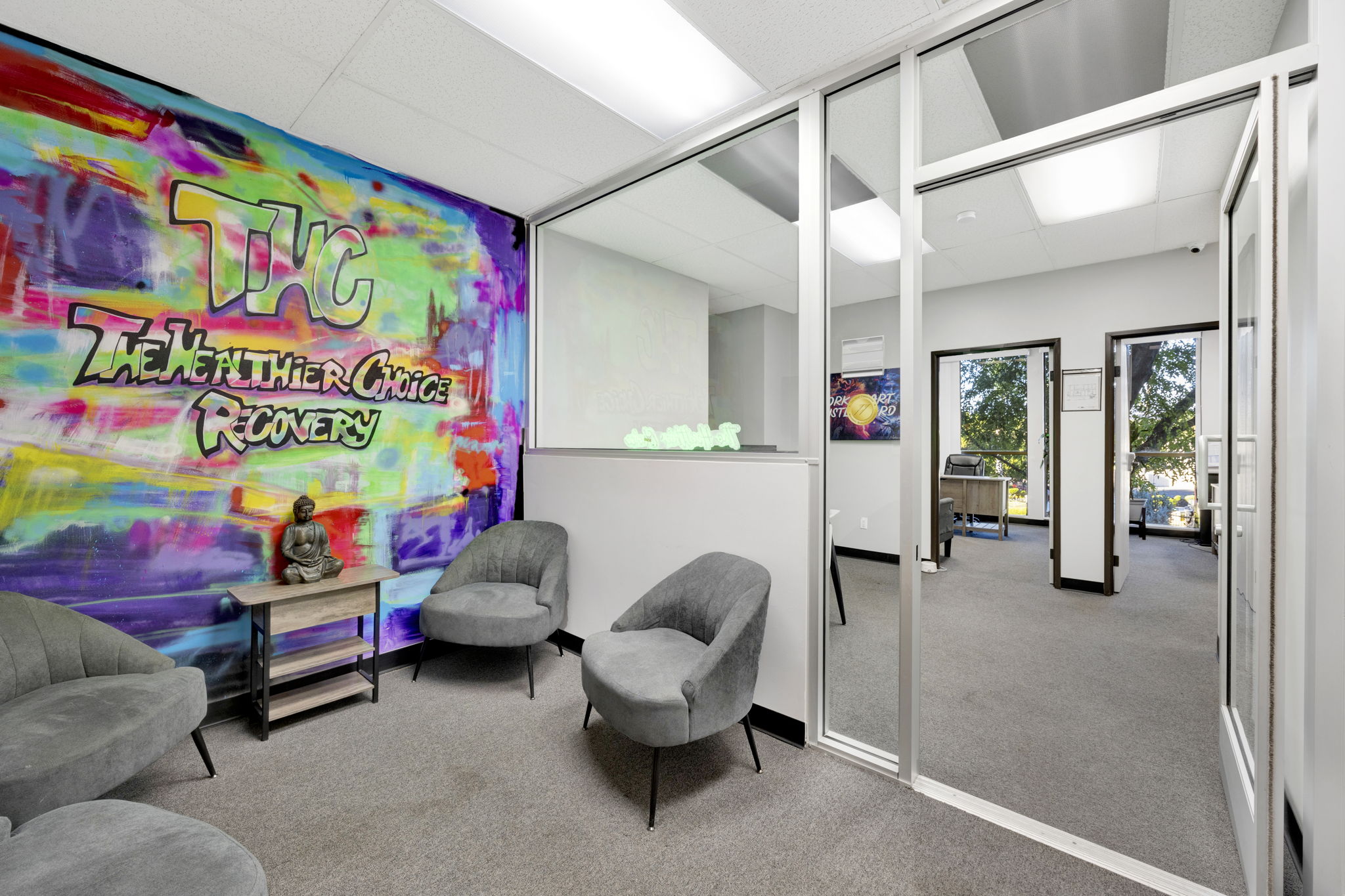
The Healthier Choice Recovery


Opioid rehab by state
- Opioid rehab in California618 facilities
- Opioid rehab in New Jersey174 facilities
- Opioid rehab in Michigan160 facilities
- Opioid rehab in New York145 facilities
- Opioid rehab in Maryland129 facilities
- Opioid rehab in Illinois115 facilities
- Opioid rehab in Ohio113 facilities
- Opioid rehab in Massachusetts112 facilities
Frequently asked questions
What is the most effective treatment for opioid addiction?
Medication-assisted treatment with buprenorphine, methadone, or naltrexone, combined with counseling, is the most effective approach. It lowers the risk of overdose and relapse.
Is fentanyl addiction treated differently from heroin addiction?
The core treatment is the same: medically supported withdrawal and MAT. Because fentanyl is so potent, doctors may adjust how they start buprenorphine, and overdose prevention with naloxone is especially important.
Can I use cannabis while on MAT?
It depends on the program. Some MAT clinics allow it, while others may limit take-home doses if cannabis appears on drug tests. Check the facility’s cannabis policy and ask your prescriber before starting.
Does insurance cover opioid treatment and MAT?
Yes, most plans including Medicaid and Medicare cover opioid treatment and FDA-approved medications. Verify in-network status and any prior authorization requirements with your plan.
Sources
Other addiction guides
Need help now?
The SAMHSA National Helpline is free, confidential, and open 24/7. Call 1-800-662-4357 for treatment referrals. If you or someone else is in danger, call 911, or call or text 988 for a mental health crisis.