Does Blue Cross Blue Shield Cover Rehab? BCBS & Anthem Guide

Blue Cross Blue Shield is the most common name on an insurance card in America, which is exactly why rehab questions about it are so confusing. There is no single "BCBS plan." The Blue brand is shared by a group of independent, locally run insurers, and each one writes its own policies, keeps its own provider list, and makes its own approval decisions. Anthem is one of the largest of those companies. Once you know which Blue company sits behind your card, the rest of the coverage picture gets much easier to read.
Below we break down how Blue plans pay for addiction care, why your home state matters even when you travel for treatment, what the approval process looks like, and how to approach a program with a relaxed stance on cannabis without putting your claim at risk.
Key Takeaways
- The Blue Cross Blue Shield Association licenses its name to more than 30 separate companies. Your benefits come from your local Blue, not from a national BCBS office.
- Anthem, owned by Elevance Health, is the Blue company in 14 states. Many Anthem members have mental health and addiction benefits managed by Carelon Behavioral Health.
- The BlueCard program lets many members use in-network Blue providers in other states, which helps if the right program is far from home.
- Higher levels of care such as inpatient detox, residential treatment, and partial hospitalization usually require prior authorization.
- No Blue plan reimburses cannabis products, but a program's cannabis stance does not by itself disqualify it from your network.
Does Blue Cross Blue Shield Pay for Addiction Treatment?
For most members, yes. Substance use disorder treatment is an essential health benefit on individual and small-group plans, and large employer plans almost always include it as well. Blue plans that cover addiction care also have to follow federal parity rules (MHPAEA), so copays, visit caps, and approval hurdles for rehab cannot be stricter than what the plan applies to similar medical or surgical care.

That does not mean every claim gets paid automatically. A Blue plan will generally pay for treatment when three conditions line up: a clinician has diagnosed a substance use disorder, the program holds the right state license and is contracted or approved by your plan, and the reviewer agrees the intensity of care fits your current symptoms and risks.
Why Your Local Blue Company Matters
Because each Blue licensee operates independently, a member of Blue Cross of Idaho and a member of Highmark Blue Shield can have noticeably different experiences, even with plans that look similar on paper. The local company controls:
- The provider network in its home territory and which treatment programs it contracts with.
- Medical policy, meaning the written rules reviewers use to approve residential days or intensive outpatient sessions.
- Who answers the phone for behavioral health. Some Blues handle it in-house, while others hire a separate management company.
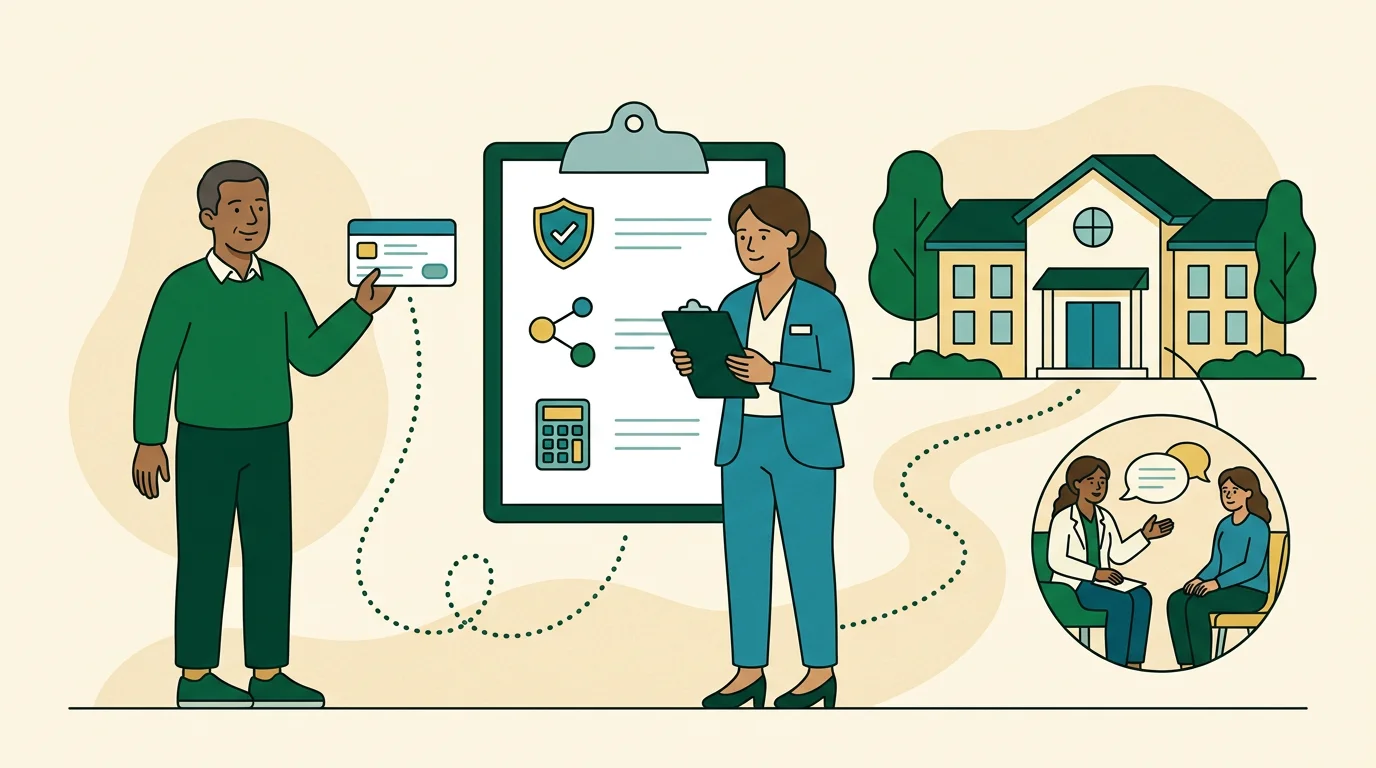
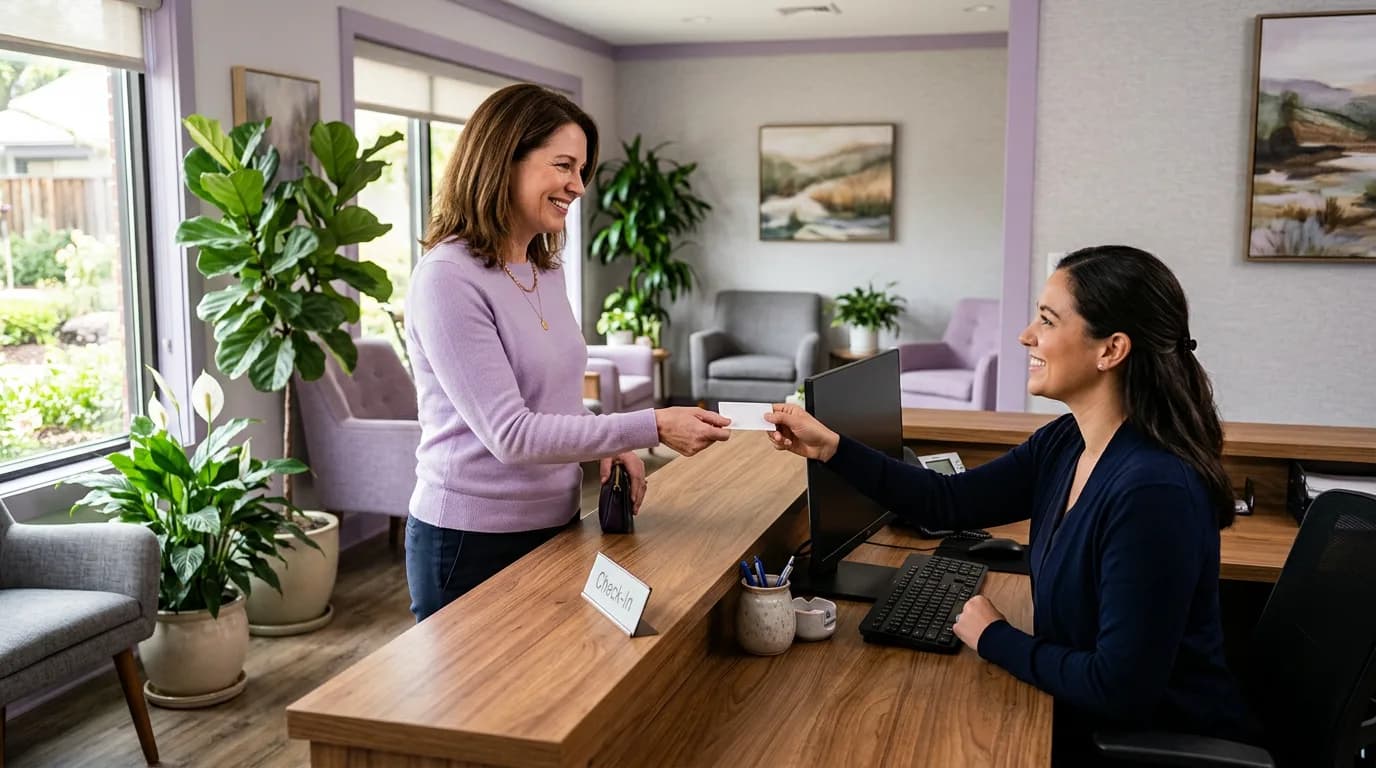
The three-letter prefix at the start of your member ID tells providers which Blue company owns your plan. Admissions teams use it to route a benefits check to the right place, so have your card in hand when you call any program.
How Anthem Fits In
Anthem Blue Cross and Anthem Blue Cross and Blue Shield serve members in California, Colorado, Connecticut, Georgia, Indiana, Kentucky, Maine, Missouri, Nevada, New Hampshire, New York, Ohio, Virginia, and Wisconsin. Anthem is part of Elevance Health, and for many Anthem plans the behavioral health side is run by Carelon Behavioral Health, a sister company. If the back of your Anthem card lists a separate number for mental health or substance use, that line is usually where prior authorizations and network questions for rehab are handled.
Anthem also runs Medicaid managed care and Medicare Advantage products in several states. Those plans follow government program rules in addition to Anthem's own policies, so benefits can differ a lot from an Anthem employer plan.
Types of BCBS Coverage and What They Mean for Rehab
Employer and Individual PPO Plans
PPOs give you the most freedom. You can usually go straight to a treatment program without a referral, and out-of-network care is partly covered, though at a higher share of the bill. If you are comparing programs in different states, a PPO combined with BlueCard often gives you the widest set of in-network options.
HMO and EPO Plans
These plans keep costs lower by limiting you to a defined network. Out-of-network rehab is typically not covered at all unless your plan grants an exception, and some HMOs want a referral from your primary care doctor before any specialist or program visit. BlueCard access for HMO members is often limited to urgent and emergency care, so out-of-state residential treatment can be harder to get approved.
Federal Employee Program (FEP)
Federal workers and retirees with FEP Blue plans have one national benefit design instead of a state-specific one. Coverage for detox, residential, and outpatient care is spelled out in the annual FEP benefit brochure, which is a useful reference before you call.
Blue Medicare Advantage and Medicaid Plans
Blue companies that offer Medicare Advantage must match or exceed what Original Medicare covers for addiction care. Blue-branded Medicaid plans follow state Medicaid rules, which often means very low out-of-pocket costs but a narrower list of approved programs.
Levels of Care a Blue Plan May Approve
Blue reviewers match treatment intensity to need, often using the ASAM Criteria or a similar clinical guideline. Here is how each level tends to be handled (see our explainer on how each level of care works for more detail):
- Medical detox: Commonly approved for alcohol, benzodiazepine, or opioid withdrawal, where symptoms can turn serious. Approval usually comes in short blocks of a few days.
- Residential treatment: Requires prior authorization in nearly every Blue plan. Reviewers check in regularly to decide whether additional days are justified.
- Partial hospitalization (PHP): Day treatment five or more days a week. Often approved as a step down from residential care.
- Intensive outpatient (IOP): Several sessions per week while living at home. Some plans require authorization, others do not.
- Standard outpatient and medication: Therapy visits and medications for opioid or alcohol use disorder are usually the simplest services to get covered.
Getting Prior Authorization Without Delays
Most surprise bills from rehab trace back to a missing or expired authorization. A few habits keep you on the right side of that process:
- Let the program make the request. Licensed admissions and utilization review staff submit clinical information to your Blue plan every day and know what reviewers look for.
- Ask for the authorization number. Write it down along with the approved dates and number of days or sessions.
- Track the end date. Approvals are time-limited. Ask the program when the next review is scheduled so coverage does not lapse mid-stay.
- Get emergencies covered after the fact. If you were admitted urgently, most plans allow notification within a short window after admission.
Using BlueCard for Out-of-State Rehab
Many people look outside their home state for a program that fits, especially when they want a center with a specific cannabis policy. BlueCard can make that possible. When you see a provider contracted with the local Blue company in another state, that provider bills the local plan, which then works with your home plan on payment. For many PPO members, that means in-network pricing far from home.
BlueCard has limits, though. Your home plan's benefits, prior authorization rules, and exclusions still apply, and HMO members may only have access for emergencies. Before you travel, ask the program to confirm in writing that it is in-network with the local Blue for your specific plan and that your home plan has approved the admission.
What You Might Pay Out of Pocket
Your share of the bill depends on your plan design, not a set rate for rehab. Expect some combination of:
- Deductible: The amount you pay before the plan starts sharing costs. High-deductible plans can mean a large bill early in the year.
- Coinsurance: A percentage of each approved charge after the deductible, often lower in-network than out-of-network.
- Copays: Flat fees for therapy visits, prescriptions, or daily inpatient stays on some plans.
- Out-of-pocket maximum: Once you reach it, covered in-network care is paid in full for the rest of the plan year.
Our rehab insurance and cost guide covers payment plans, sliding-scale options, and what to do if coverage falls short.
BCBS Coverage and Cannabis-Friendly Programs
Your Blue plan pays for clinical services: assessments, therapy, medical monitoring, medication, and room and board when a residential stay is approved. It does not reimburse cannabis, dispensary purchases, or medical cannabis cards. Whether a program lets clients keep a medical cannabis recommendation, follows a harm reduction approach, or requires full abstinence is a clinical and house-rule decision that sits outside the insurance contract.
In practice, that means a cannabis-friendly program can be in-network with your Blue plan just like any other licensed program. What matters to the reviewer is your diagnosis, the program's credentials, and whether the level of care is appropriate. A few points are worth keeping in mind:
- If cannabis is the main substance you want help with, a provider can document cannabis use disorder as your diagnosis, and that care is billed like any other addiction service.
- Be honest with clinicians about your cannabis use. Accurate records support medical necessity and keep your care plan safe, especially around medications.
- Ask the program how it documents its cannabis policy in your treatment plan, so the clinical rationale is clear if a reviewer asks.
Our guide to rehab cannabis policies explains the differences between programs that allow medical cannabis, those that use harm reduction, and those that do not permit it.
Questions to Ask Before You Commit
When you call your Blue plan or a program's admissions line, these questions get you real answers quickly:
- Which Blue company administers my plan, and who manages behavioral health benefits?
- Is this specific program in-network for my plan, including through BlueCard if it is out of state?
- Which levels of care need prior authorization, and who submits it?
- What have I paid toward my deductible and annual out-of-pocket limit so far?
- Are medications for opioid or alcohol use disorder covered, and at what tier?
- Does the program allow cannabis, and how is that reflected in my treatment plan?
For a full screening checklist, see how to find a cannabis-friendly rehab.
If Your Blue Plan Says No
Denials happen, and many get overturned. Request the denial letter and the specific medical policy used, then ask the treatment program or your doctor to file an internal appeal with updated clinical notes. For urgent situations, ask for an expedited appeal, which plans must decide quickly. If the internal appeal is upheld, you can usually request an independent external review. Keep copies of every letter and note the names of everyone you speak with.
Frequently Asked Questions
Is Anthem the same as Blue Cross Blue Shield?
Anthem is one of the independent companies licensed to use the Blue Cross and Blue Shield names. It operates in 14 states, so an Anthem card is a BCBS card, but its rules may differ from the Blue company in another state.
Does BCBS cover inpatient rehab?
Most Blue plans cover inpatient and residential treatment when it is medically necessary and approved ahead of time. Days are approved in stages, based on how treatment is going.
Can I go to rehab in another state with Blue Cross Blue Shield?
Often, yes, through the BlueCard program, particularly on PPO plans. Confirm the program is in-network with the local Blue company and that your home plan has authorized the stay.
Does Blue Cross Blue Shield cover marijuana addiction treatment?
Yes. Cannabis use disorder is a recognized medical diagnosis, and Blue plans cover its treatment under the same benefits as alcohol or opioid addiction.
Will BCBS cover a rehab that allows medical cannabis?
It can. Coverage depends on licensing, network status, and medical necessity, not on whether the program permits cannabis. The plan will not pay for the cannabis itself.
Does Blue Cross Blue Shield cover Suboxone or naltrexone?
Most Blue plans include medications for opioid and alcohol use disorder on their drug lists, sometimes with prior authorization or a specific pharmacy requirement.
Start Your Search With Your Blue Card in Hand
Once you know which Blue company you have and what it requires, the hardest part is behind you. Explore treatment centers on Green Rehabs to compare programs by location and cannabis policy, and ask each one to run a free benefits check against your BCBS or Anthem plan before you schedule an admission.