Dual Diagnosis Treatment
Dual diagnosis means living with a substance use disorder and a mental health condition, such as anxiety, depression, PTSD, or bipolar disorder, at the same time. This guide covers the signs, why treating both together works better, the levels of care available, and how to find a program with a cannabis policy that works for you.
Quick answer
Dual diagnosis is treated with integrated care, meaning the same team treats both the addiction and the mental health condition at the same time, using therapy, psychiatric care, and medication when needed.
What is co-occurring disorders addiction?
Co-occurring disorders are common. Many people with a substance use disorder also have a mental health condition, and each can make the other worse.
Some people use substances to cope with anxiety, trauma, or low mood, while substance use can also trigger or deepen mental health symptoms. Treating only one side often leads to relapse.
Signs and symptoms of co-occurring disorders addiction
- Using alcohol or drugs to manage anxiety, stress, or sleep
- Mood swings, depression, or panic that get worse with use or withdrawal
- Trauma symptoms such as nightmares or flashbacks alongside substance use
- Relapsing after treatment that focused only on addiction
- Trouble keeping up with work, school, or relationships
- Feeling hopeless or having thoughts of self-harm
Dual Diagnosis withdrawal and detox
Withdrawal can intensify mental health symptoms, so anxiety, depression, or trauma responses may feel stronger in the first days. Detox programs with psychiatric support can manage both at once.
Detox is usually a short first step, often 3–10 days depending on the substance. After stabilization, ongoing dual diagnosis care focuses on therapy, psychiatric treatment, and coping skills.
Browse co-occurring disorders detox centers to find medically supervised withdrawal near you.
Levels of care for co-occurring disorders addiction
Look for programs that offer integrated treatment: psychiatric evaluation, therapies such as CBT, DBT, or trauma-focused therapy, and medication management in the same plan as addiction care.
- Dual Diagnosis DetoxMedically supervised withdrawal with psychiatric monitoring.698 facilities
- Dual Diagnosis ResidentialLive-in integrated care for addiction and mental health together.680 facilities
- Dual Diagnosis Partial Hospitalization (PHP)Full-day therapy and psychiatric care while living at home.196 facilities
- Dual Diagnosis Intensive Outpatient (IOP)Several sessions a week combining addiction and mental health therapy.1,115 facilities
- Dual Diagnosis OutpatientOngoing therapy, medication management, and relapse prevention.1,819 facilities
Medications
Depending on the diagnosis, treatment may include antidepressants, mood stabilizers, or other psychiatric medications, alongside addiction medications such as buprenorphine or naltrexone when appropriate.
Cannabis policies at co-occurring disorders rehabs
Many people use cannabis for anxiety, PTSD, sleep, or pain. Cannabis-friendly dual diagnosis programs can factor that into your care plan instead of making it a barrier to treatment.
Cannabis can worsen some conditions, such as psychosis or bipolar mania, in certain people. Be open with your psychiatric team so they can give you safe, personalized advice.
Policies vary: some programs allow medical cannabis with a card, some pause it during detox, and some require abstinence. Always confirm a program’s policy before you go.
Many facilities have not published their cannabis policy yet. Learn what each policy means in our Cannabis Policy Guide, or follow our steps on how to find a cannabis-friendly rehab.
Paying for co-occurring disorders addiction treatment
Under federal parity law, most health plans must cover substance use treatment similarly to other medical care. Medicaid, Medicare, and ACA marketplace plans typically include detox, residential, and outpatient services. Our guide on how to pay for rehab with insurance walks through verifying benefits step by step.
Dual Diagnosis treatment centers
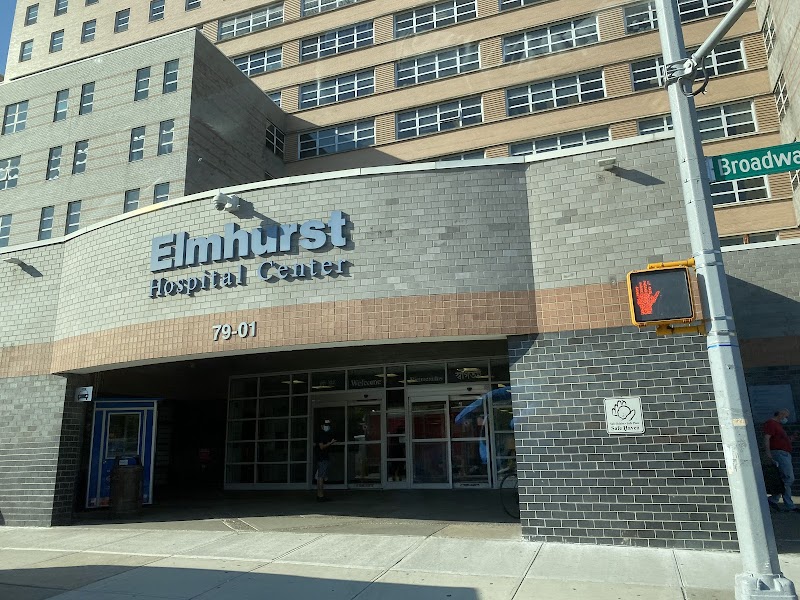
2,210 listed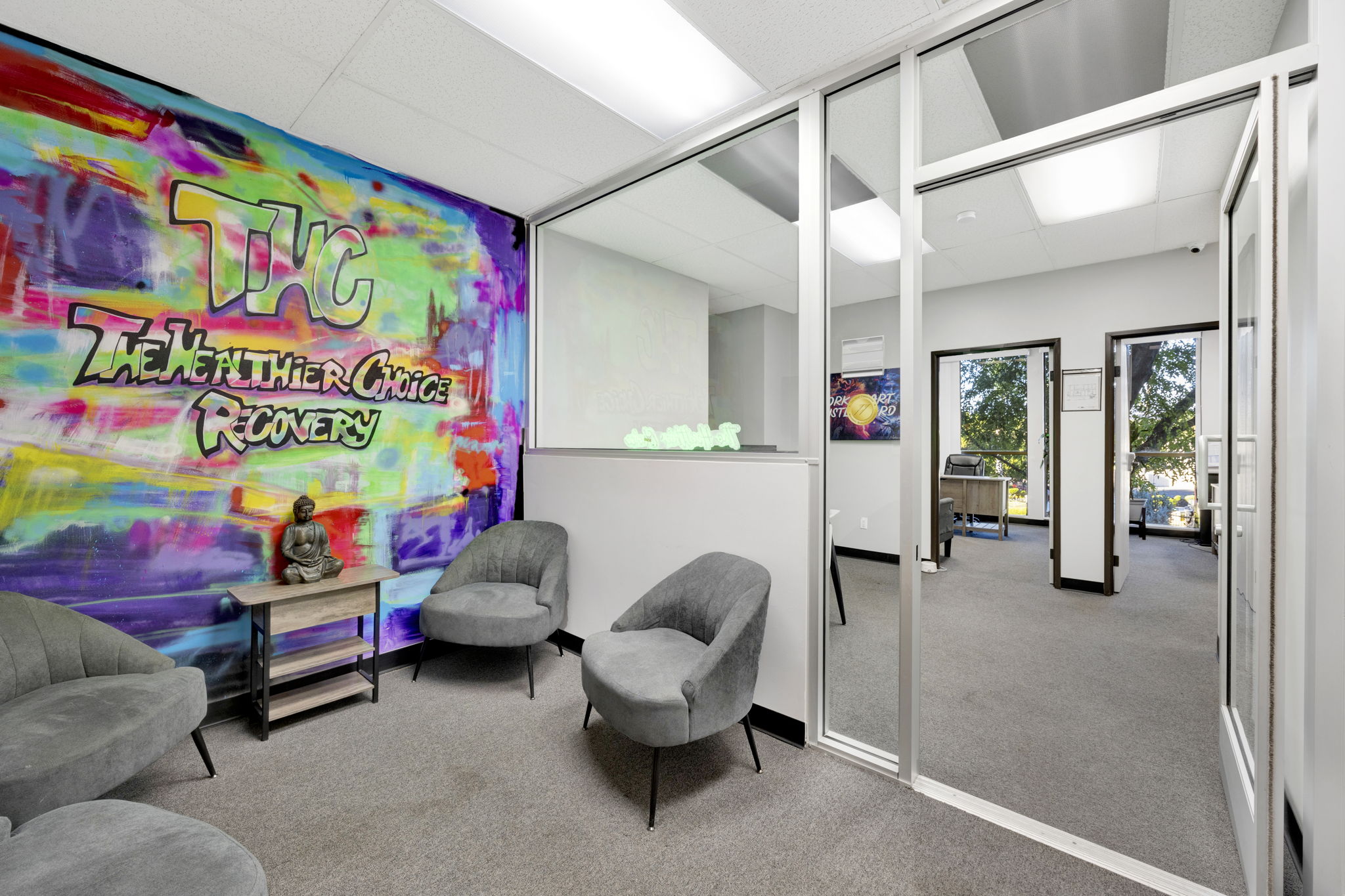
The Healthier Choice Recovery




Dual Diagnosis rehab by state
Frequently asked questions
What does dual diagnosis mean?
It means having a substance use disorder and a mental health condition at the same time, such as alcohol addiction with depression or opioid addiction with PTSD.
Why does integrated treatment matter?
When both conditions are treated together by the same team, people are more likely to stay in treatment and less likely to relapse than when each is treated separately.
Can I find a dual diagnosis program that allows cannabis?
Yes. Some programs are cannabis-friendly or allow medical cannabis in aftercare. On GreenRehabs you can filter dual diagnosis treatment centers by their published cannabis policy.
What should I ask a dual diagnosis program?
Ask whether they have psychiatrists on staff, which therapies they use, how they handle medications, and what their cannabis policy is during detox and aftercare.
Sources
- NIMH: Substance Use and Co-Occurring Mental Disorders
- SAMHSA: Co-Occurring Disorders
- SAMHSA National Helpline
Last reviewed October 8, 2026. This guide is for information only and is not medical advice.
Other addiction guides
Ready to find treatment?
Compare dual diagnosis treatment programs and their cannabis policies side by side.
Find Dual Diagnosis TreatmentIn a crisis? Call 911, or call or text 988. SAMHSA National Helpline: 1-800-662-4357