Meth Addiction Treatment
Methamphetamine, including crystal meth, is a powerful stimulant that can create dependence quickly. This guide covers the warning signs, what withdrawal feels like, the levels of care available, and how to find a meth rehab with a cannabis policy that works for you.
Quick answer
Meth addiction is treated mainly with behavioral therapies such as contingency management and cognitive behavioral therapy (CBT), delivered in residential, PHP, IOP, or outpatient programs. Withdrawal is mostly psychological, so detox is usually short.
What is methamphetamine addiction?
Methamphetamine use disorder is a pattern of meth use that causes harm and is hard to control. Meth can be smoked, snorted, injected, or swallowed, and its effects last much longer than cocaine.
Meth releases large amounts of dopamine and can damage the brain’s reward system over time. Many people notice problems with mood, sleep, memory, and motivation that improve gradually with sustained recovery.
Signs and symptoms of methamphetamine addiction
- Staying awake for days and then crashing
- Rapid weight loss or loss of appetite
- Dental problems or skin sores from picking
- Paranoia, agitation, or seeing and hearing things that aren’t there
- Intense cravings and using more to feel the same effect
- Pulling away from family, work, or responsibilities
- Racing heart, high blood pressure, or overheating
Meth withdrawal and detox
Meth withdrawal usually starts within a day of the last use. Early symptoms include exhaustion, heavy sleep, increased appetite, depression, anxiety, and strong cravings.
Withdrawal is rarely physically dangerous, but depression and paranoia can be serious and some people have thoughts of self-harm. A short monitored detox often lasts 3–10 days, and low mood and cravings can continue for weeks, so ongoing support matters.
Browse methamphetamine detox centers to find medically supervised withdrawal near you.
Levels of care for methamphetamine addiction
There is no FDA-approved medication for meth addiction, so treatment centers on therapy, structure, and support for sleep and mood. Many people who use meth also have co-occurring mental health conditions, so choose a program that treats both.
- Meth DetoxShort-term monitoring for sleep, mood, and safety during the crash.737 facilities
- Meth ResidentialLive-in care that removes triggers while your brain and sleep recover.450 facilities
- Meth Partial Hospitalization (PHP)Full-day structured therapy while living at home.99 facilities
- Meth Intensive Outpatient (IOP)Contingency management, CBT, and group therapy several times a week.349 facilities
- Meth OutpatientOngoing counseling and relapse prevention.667 facilities
Cannabis policies at methamphetamine rehabs
Meth rehabs vary on cannabis. Some are cannabis-friendly, some pause cannabis during the structured phase, and some require abstinence from all substances.
Cannabis can worsen paranoia or psychosis in some people recovering from meth. Tell the clinical team about your cannabis use so they can plan your care safely.
Programs using contingency management may test for cannabis too. Ask whether a positive cannabis test affects your rewards or standing in the program.
Many facilities have not published their cannabis policy yet. Learn what each policy means in our Cannabis Policy Guide, or follow our steps on how to find a cannabis-friendly rehab.
Paying for methamphetamine addiction treatment
Under federal parity law, most health plans must cover substance use treatment similarly to other medical care. Medicaid, Medicare, and ACA marketplace plans typically include detox, residential, and outpatient services. Our guide on how to pay for rehab with insurance walks through verifying benefits step by step.
Meth Addiction treatment centers
954 listed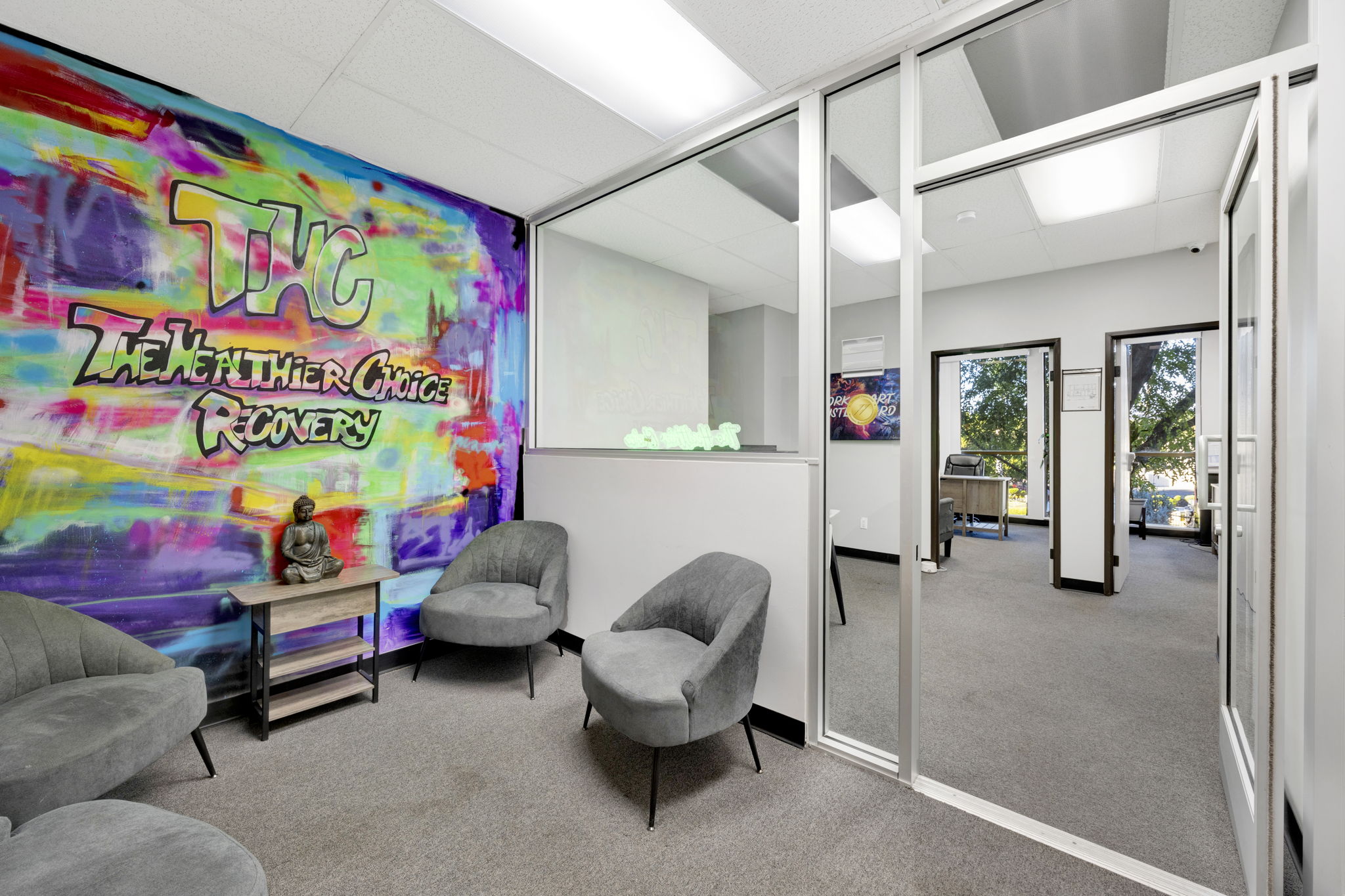
The Healthier Choice Recovery

Meth rehab by state
Frequently asked questions
Is there medication for meth addiction?
There is no FDA-approved medication yet. Contingency management and CBT are the most effective treatments, and doctors may treat related sleep, mood, or psychosis symptoms.
Do I need detox for meth?
Meth withdrawal is usually not physically dangerous, but a short monitored detox can help with severe depression, paranoia, or sleep problems, especially if you also use alcohol or other drugs.
Can I find a meth rehab that allows cannabis?
Yes. Some programs are cannabis-friendly or allow cannabis in aftercare. On GreenRehabs you can filter meth treatment centers by their published cannabis policy.
How long does meth rehab last?
Residential programs typically last 30 to 90 days, followed by months of outpatient care. Cravings and low mood can last a while, so longer-term support improves outcomes.
Sources
- NIDA: Methamphetamine DrugFacts
- NIDA: Treatment Approaches for Drug Addiction
- SAMHSA National Helpline
Last reviewed October 8, 2026. This guide is for information only and is not medical advice.
Other addiction guides
Ready to find treatment?
Compare meth addiction treatment programs and their cannabis policies side by side.
Find Meth Addiction TreatmentIn a crisis? Call 911, or call or text 988. SAMHSA National Helpline: 1-800-662-4357